Kenya Railways Corporation on Monday reported a 7.9% rise in main income to Sh23.23 billion for the year ending June 30, 2025, driven by a 10.2% increase in SGR freight volumes.
Total operating revenue grew 18.6% to Sh30.52 billion, yet the company’s net loss widened 1.7% to Sh28.17 billion amid rising loan interest and default penalties.
The state-owned rail operator’s main income rose 7.9% to Sh23.23 billion, driven largely by a 10.2% increase in Standard Gauge Railway (SGR) freight volumes, which reached 7.05 million tonnes.
Total operating revenue climbed 18.6% to Sh30.52 billion, buoyed by government grants, which surged to Sh7.77 billion during the period.
Despite the revenue growth, Kenya Railways continued to record significant operating losses. The company’s operating loss narrowed by 10.5% to Sh18.01 billion from Sh20.13 billion the previous year.
However, net loss after tax widened 1.7% to Sh28.17 billion, driven by Sh25.97 billion in interest on government on-lent loans and Sh1.60 billion in default penalties.
The government on-lent loan from China Exim Bank, a key funding source for the SGR and other infrastructure projects, grew by 4% to Sh672.04 billion due to capitalised interest.
Accumulated losses deepened to Sh198.47 billion, with the corporation’s equity remaining negative at Sh121.08 billion.
Kenya Railways’ freight operations showed resilience, transporting 8.16 million tonnes, up from 7.39 million tonnes in the previous year, reflecting the expansion of SGR services.
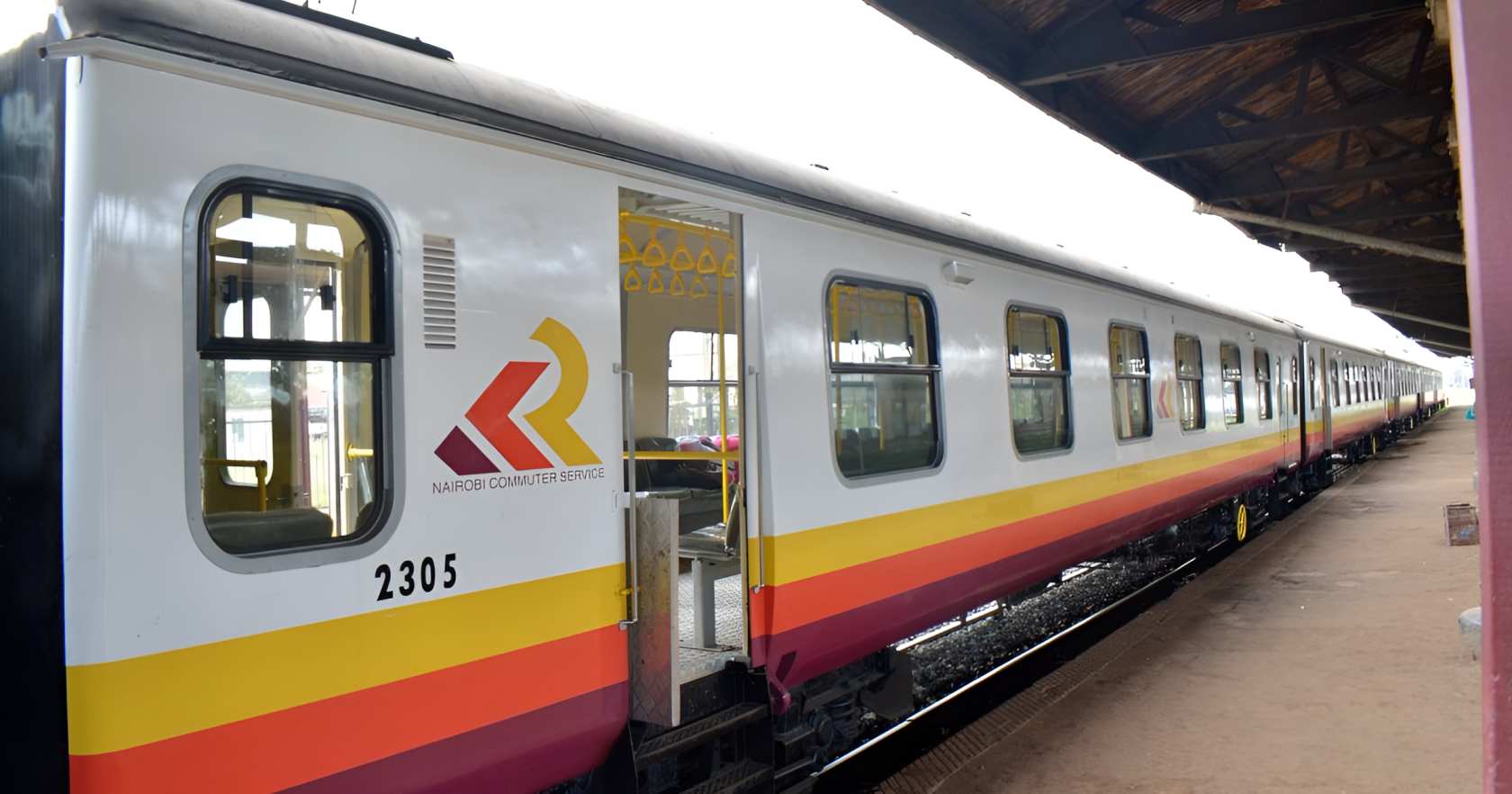
Conversely, passenger numbers declined by 10.3% to 5.06 million, down from 5.64 million the year before, indicating ongoing challenges in the passenger transport segment.
Operating expenses rose 5.8% to Sh48.54 billion, reflecting increases in staff costs, which climbed 13.8% to Sh4.21 billion.
Meanwhile, exchange gains improved by Sh2.54 billion, reversing a Sh3.24 billion loss recorded in the prior year.
The corporation’s balance sheet showed total assets of Sh822.52 billion, a 1.4% increase from the previous year.
Property, plant, and equipment decreased slightly to Sh521.60 billion, down 3.8%, while capital work-in-progress grew 11.4% to Sh152.28 billion, reflecting ongoing investment in railway infrastructure. Contingent liabilities remained unchanged at Sh28.15 billion.
Kenya Railways continues to rely heavily on government funding and concessional loans for operations and expansion, particularly in the SGR segment.
While freight growth has bolstered main income, the widening net losses highlight the challenges of servicing large loans and managing operational costs, including default penalties linked to on-lent loan agreements.
The contrasting performance between freight and passenger segments reaffirms the strategic importance of freight services in sustaining revenue.
Total freight volumes remain a crucial pillar in supporting revenue growth, even as passenger services face declining patronage.
The corporation’s financial results demonstrate both progress and ongoing fiscal challenges.
Increased government support has helped narrow operating losses, but high interest payments and accumulated loan obligations continue to weigh heavily on net profitability.
Kenya Railways’ strategic investments in infrastructure, such as the expansion of the SGR and capital projects, are expected to continue supporting long-term growth.
However, the financial sustainability of the state-owned operator will depend on balancing operational efficiency, loan management, and revenue generation from both freight and passenger services.
The FY2025 results highlight the delicate financial position of Kenya Railways, improving operational performance and freight growth juxtaposed with heavy debt obligations and widening net losses, a reflection of the ongoing challenge of managing a large, state-owned railway in a capital-intensive environment.